by Bailey Anderson
Why I Stopped Snorkeling
I grew up landlocked in the United States, and by the time I joined Wakatobi’s marketing team, I had been diving for years. Somewhere along the way, I had written off snorkeling. The walls, the drifts and the big encounters all seemed to happen well below the surface. My gear had grown to match: dive computers, a camera housing, strobes. A mask, snorkel and fins belonged to my first lessons.
I had my reasons. Shallow reefs around the world take the brunt of warming water, pollution and overfishing. In many places, the top few meters are where the damage shows first.
The First Swim
So, I didn’t expect much the first time I slipped off the jetty with Julia Mellers, Wakatobi’s resident marine biologist. I was between dives, and a surface interval in the water seemed as good as any.
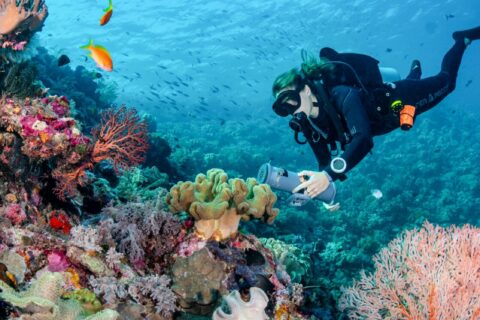
We swam out to where the shallows meet the wall, then turned and followed the edge, with the drop-off on one side and the coral on the other.
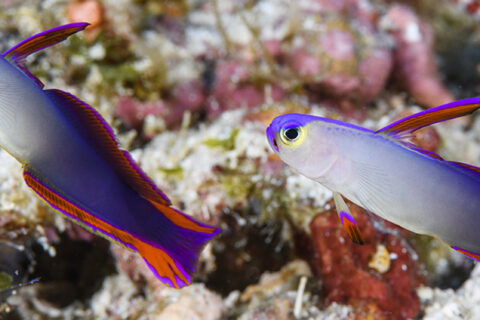
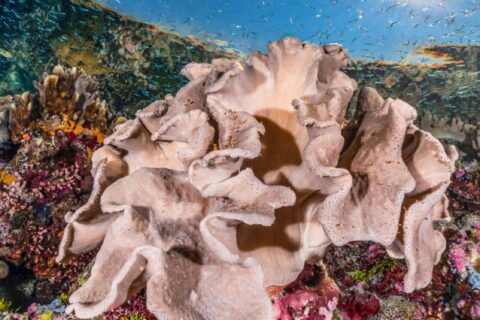
The coral was dense. Table corals, plate corals and thickets of staghorn covered the top of the reef. In the shallow water, sunlight threw moving bands of color across them. False clownfish darted in and out of their anemones. A blue-spotted ray glided past. Banded sea kraits wound between the corals. Anthias hung over the reef, and a school of silversides split apart and re-formed each time a predator came near.

Below us, bubbles rose from divers on the wall about 50 feet down. Julia and I waved, then took a breath and dove down to swim through their bubbles. We were in the water for nearly two hours. Walking back along the jetty, other guests asked how it had been. “That was just stunning,” I told them. “I’ve been missing out.”
Other Guests Have Found the Same
I’m not the only diver the shallows have surprised. Snorkelers mention the House Reef in their comments year after year.
“The House Reef is spectacular! Snorkeling it is therapy for the soul. So clear and healthy.”
~ Bonnie Cunohufsky
“The best house reef I’ve ever dived and remarkably encompassing both scuba and snorkeling at every turn.“
~ Ian and Jenni McNairn
“Jaw-dropping coral reefs and sea life! As a snorkeler, I felt incredibly included among the scuba divers.” ~ Emma Kerins

Why the Shallows Look Like This
For 30 years, Wakatobi has worked with 17 partner villages through the Wakatobi Collaborative Reef Conservation Program. Communities receive economic benefits in exchange for keeping fishing pressure off the protected reefs. The program has helped protect more than 70 kilometers of reef, including the House Reef in front of the resort.
For the longer story of how that protection works, read The Art of Leaving It Be.
Snorkeling at Wakatobi
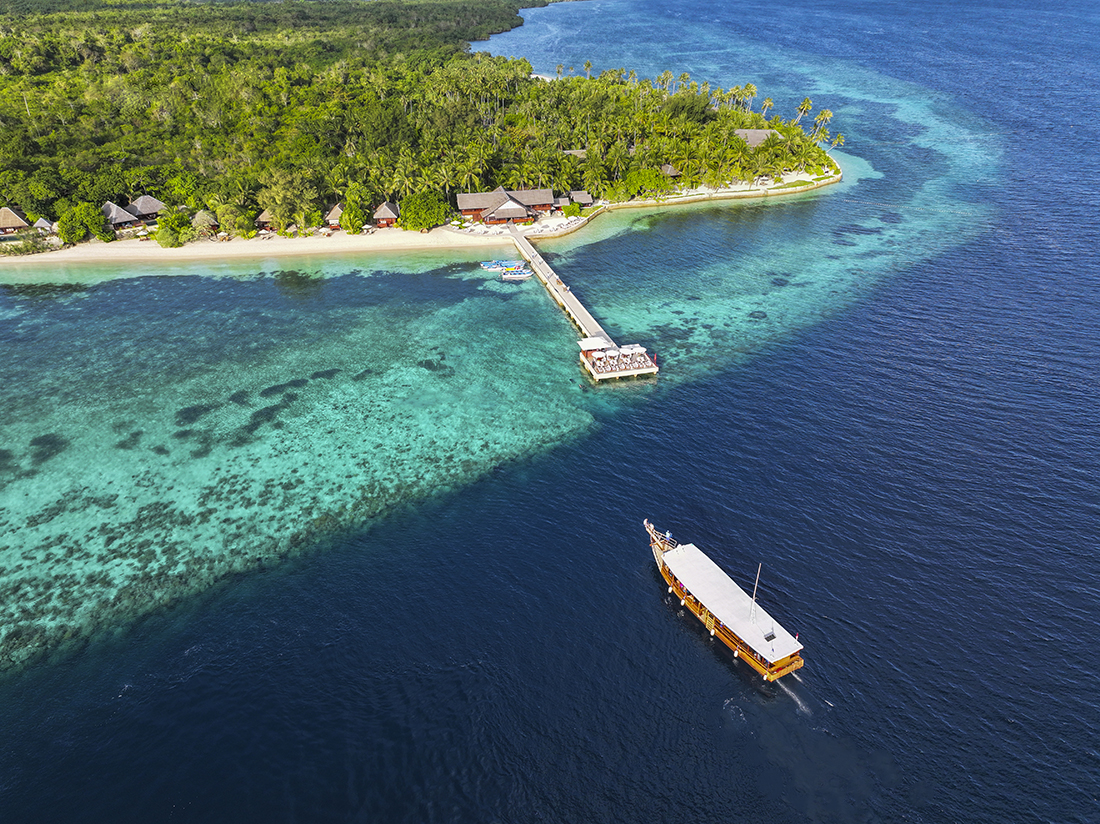
The House Reef starts just off the beach, steps from your accommodation, with shallows and seagrass close in and the wall running north and south beyond the jetty. You can swim whenever you like: before breakfast, between dives or at the end of the day.
Unlimited diving and snorkeling packages cover the full length of your stay. If you’d rather spend fewer days in the water, single dive or snorkel excursions can be booked à la carte.
And if you dive, try one surface interval in the shallows! I’d been skipping them for years.
Plan Your Stay
Email office@wakatobi.com or complete a quick trip inquiry and our team will help you put your trip together.
Read more about snorkeling the House Reef in One Thousand Hours Under the Sea. Follow us on Facebook, Instagram and YouTube.