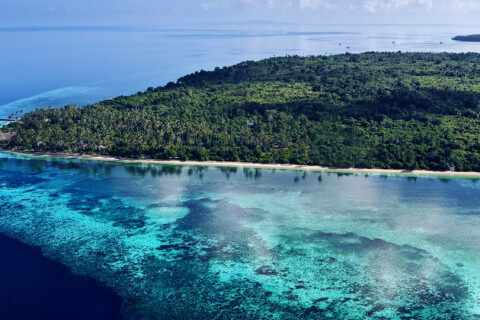
In 2026, Wakatobi marks 30 years—three decades shaped by vision, discipline, and an unwavering commitment to both people and place. What began as an ambitious idea in a remote corner of Indonesia has evolved into one of the most respected models of marine conservation and hospitality in the world.
A Reputation Built Over Three Decades
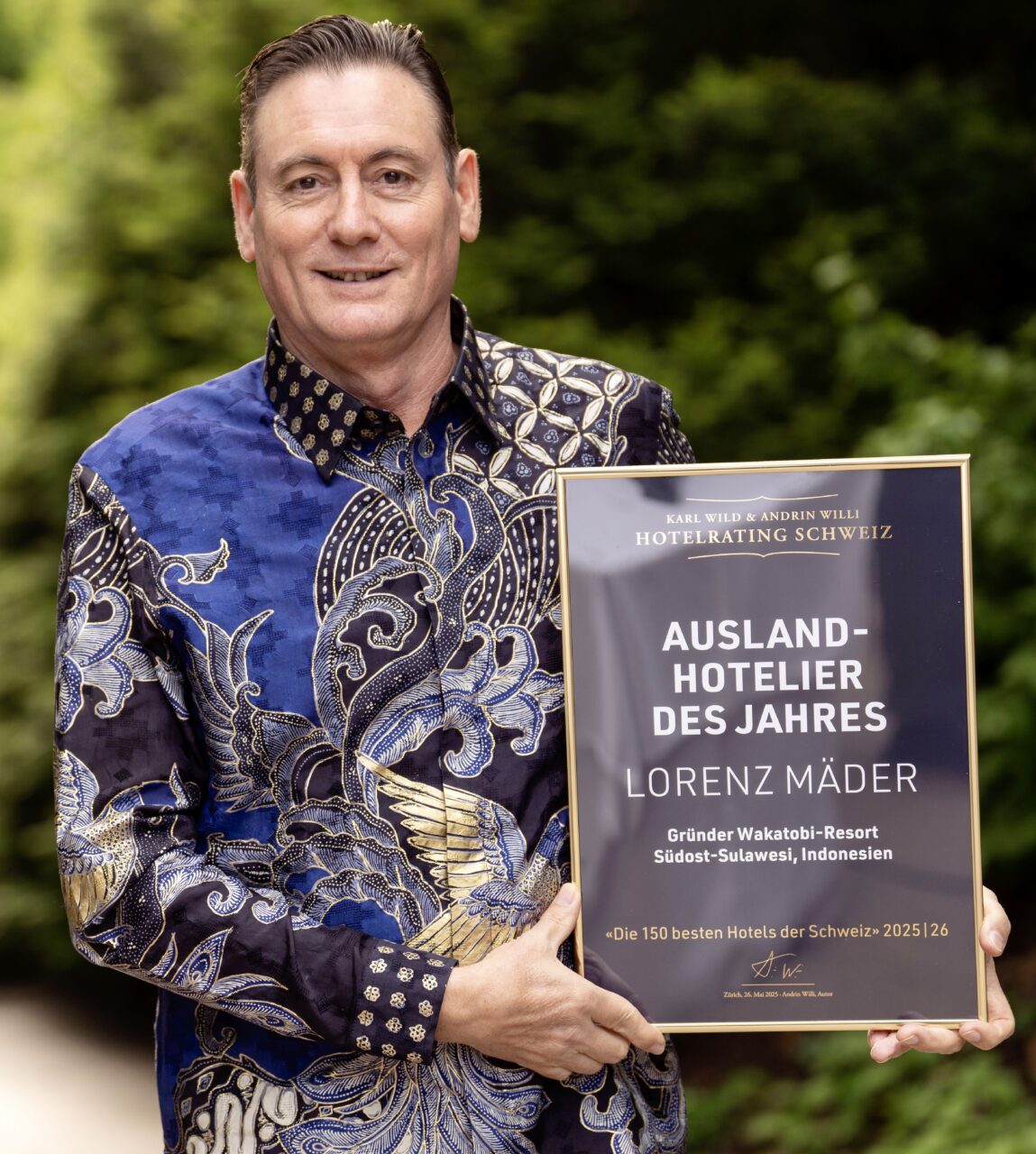
“No other dive operation in the world invests in conservation, community, and service the way we do,” said Wakatobi founder Lorenz Mäder as he sat across from me, finishing his customary after-lunch espresso— a brief pause in a day that rarely slows for him. “What we do here, particularly in conservation, is extraordinary.”
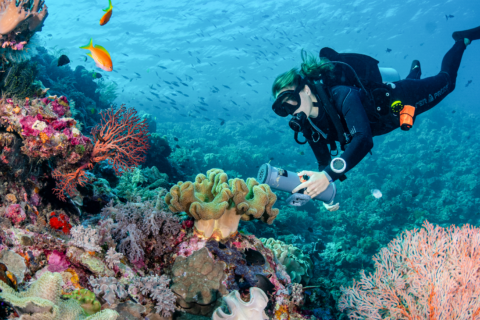
At the outset of my professional dive career, while working at my first dive shop in Austin, Texas, a casual conversation about travel destinations introduced me to a place I had never heard of. “Wakatobi is unlike any other destination in the world,” the owner told me. “Their house reef is a wall dive— steps away from the beach. It’s a once in a lifetime trip!”
In the years that followed, that same sentiment continued to surface, from travelers, from friends of friends, and now, through my own time at the resort, from returning guests.
That same sentiment is not only shared by guests, but quietly echoed within the dive industry as well. At last year’s Dive Equipment Manufacturer’s (DEMA) show in Florida, as I stood at the Wakatobi booth, the owner of a well-established dive operation in Fiji paused, gestured toward our display, and said simply to his colleague: “This is the best dive resort in the world.”
“What we do here, particularly in conservation is extraordinary”
Lorenz Mäder, Wakatobi Founder and Visionary
An Enduring Beginning
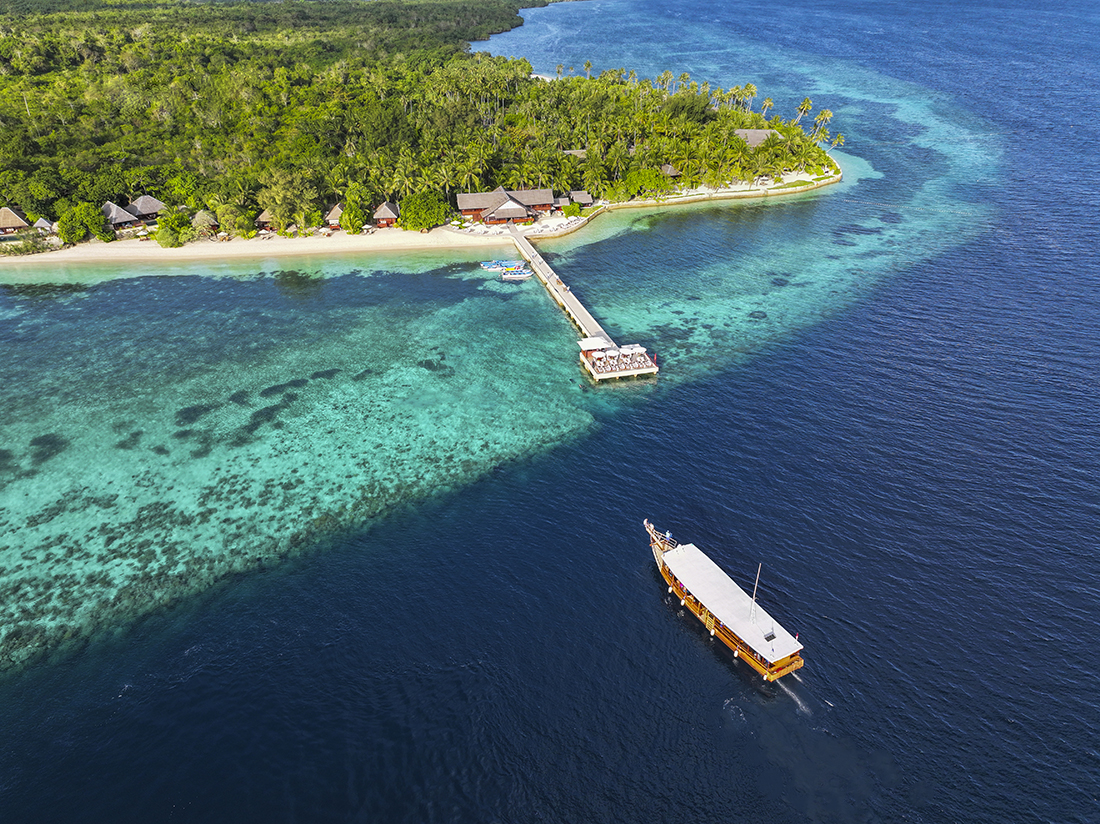
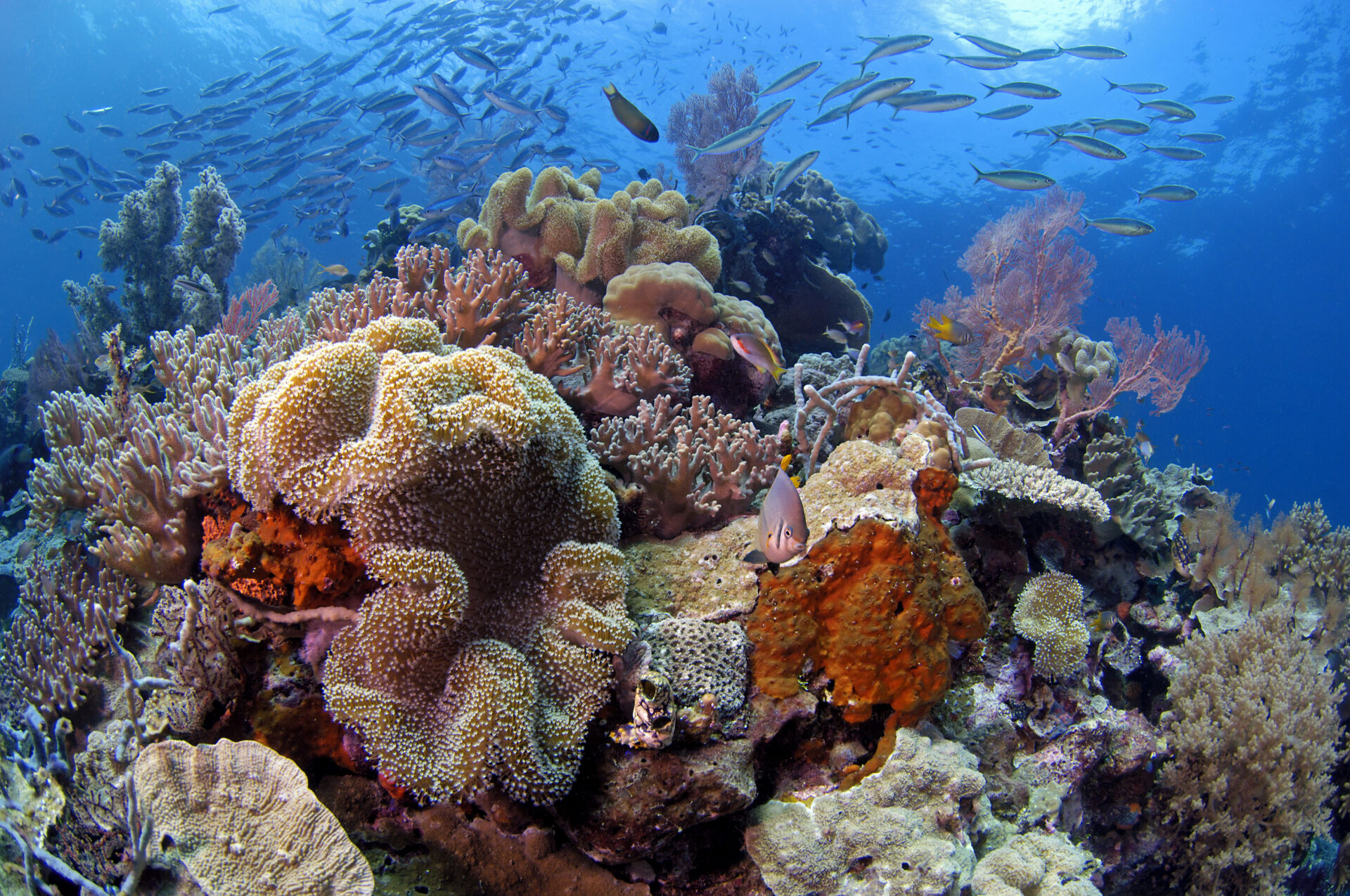
More than thirty years ago, after already completing over 8,000 dives, Lorenz arrived in Southeast Sulawesi, Indonesia, on the tiny island of Onemobaa, with the perspective of a seasoned pioneer and an open mind. What he encountered was a damaged, overfished reef system. Where others might have seen limitation, he recognized possibility— not only to restore the reef on a meaningful scale, but to establish a model grounded in long-term partnership with the local community. One in which a healthy reef sustains tourism, and in turn supports more stable and meaningful livelihoods.
Today, that vision endures at Wakatobi Resort, one of the most successful private marine conservation models in the world.
“The corals grow extremely fast,” Lorenz explains. “But real progress depends on harmony with the local community. It’s counterintuitive for many— to believe you can generate 200 to 300 times more income by keeping the fish in the water rather than removing them!”
From the outset, the challenge lay in demonstrating that preservation could, over time, exceed the value of extraction. That principle is now reflected in a network of local reef guardians, many of whom were once fishermen, who now protect more than 60 kilometers of reef, helping to preserve one of the most pristine marine environments in the world. Through direct compensation and long-term commitment, livelihoods have shifted toward stewardship, ensuring that sustainable practices are maintained and destructive methods no longer take hold.
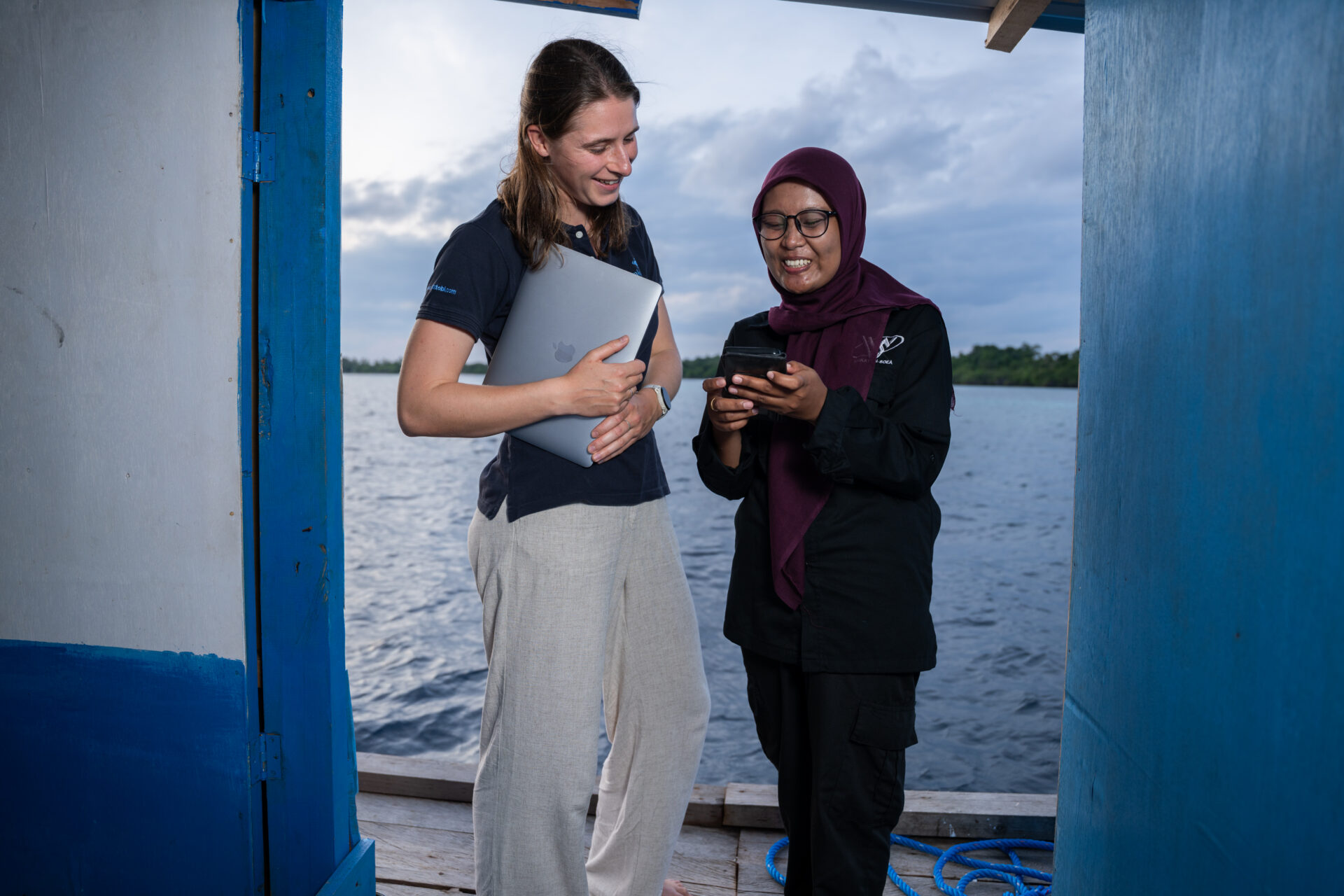
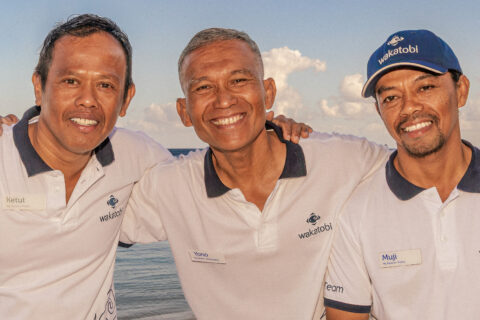
That commitment also extends well beyond the reef. Wakatobi employs more than 400 staff, most from neighboring communities and the island of Onemobaa itself. Wakatobi’s presence has also contributed to the fabric of daily life— supporting infrastructure, improving access through roads and lighting, and advancing educational opportunities. Within the past year, the resort has implemented an on-site solar energy system engineered to generate and store sufficient power to meet its full electrical demand during the day and a part of the night, producing energy up to 75% of its operational needs over 24 hours.
As the dining staff quietly cleared his espresso cup, Lorenz continued:
“Because we are extremely remote and primarily land-based, we are forced to be at the forefront of our industry. What often goes unseen is the discipline required to sustain a place like this. The pristine environment guests experience here is not incidental. It is the product of continual stewardship, much of which remains unnoticed by our guests. Without these efforts, the island would quickly revert to dense vegetation.”
For those who return to Wakatobi, that discipline gradually reveals itself. It is evident in the daily upkeep of the island: gardeners raking and shaping the sand in the early hours before breakfast, or removing what the tides have carried ashore, both natural and manmade. None of the pollutants originate from the resort itself; plastics that wash ashore arrive from beyond the island, carried in by surrounding currents, as well as from nearby villages. Everything is removed just as quietly. What appears effortless is, in truth, an environment shaped with intention to preserve the resort’s distinctive barefoot island ambience.
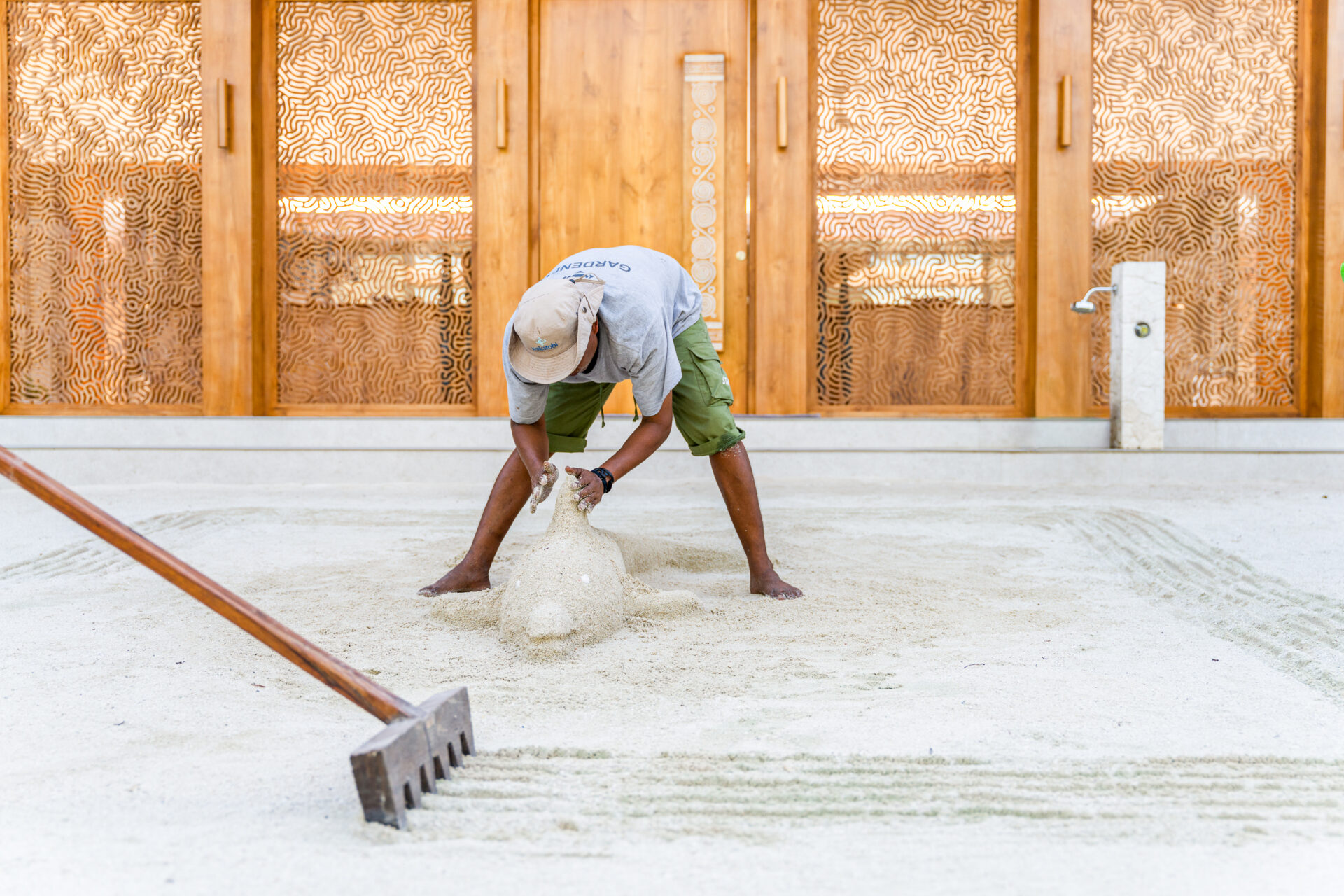
What appears effortless is shaped with intention, beginning each morning with the smallest grains of sand.
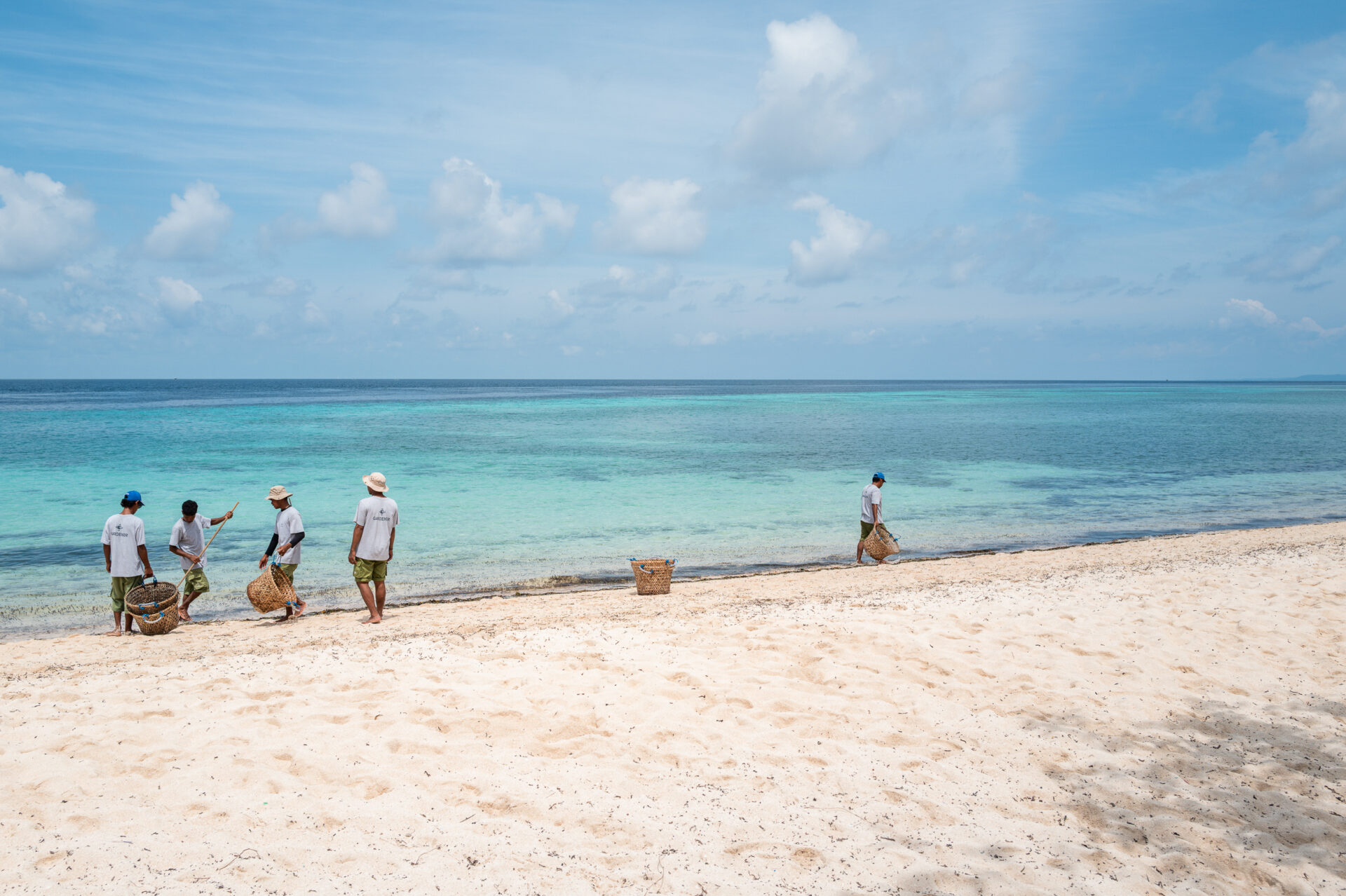
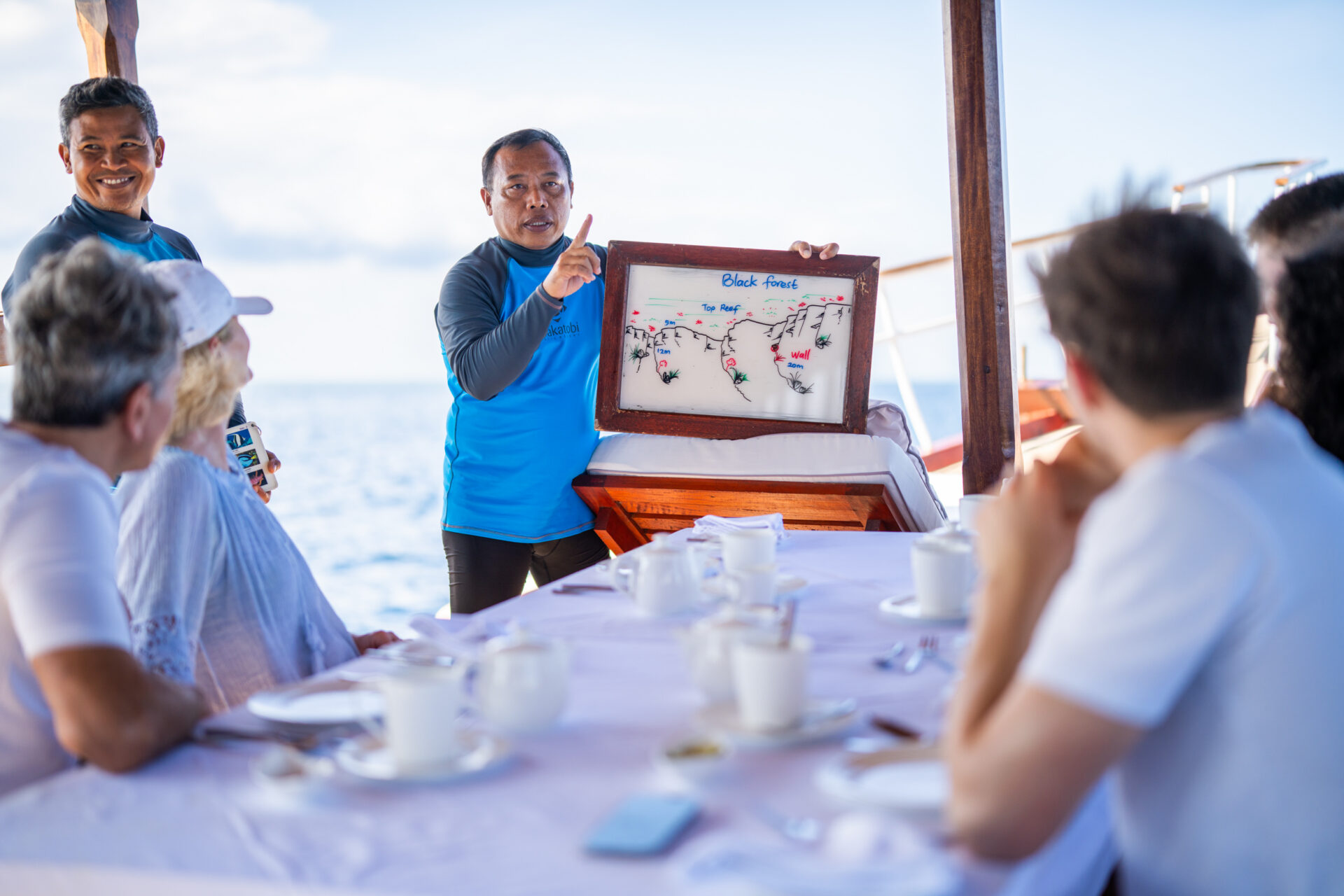
“If we don’t try, there is no hope for the future,” Lorenz said. “In many ways, our greatest motivation are the guests.”
So Much More Than a 5-Star Resort
During a recent visit, I met Conceição, a returning guest whose extended stay, and quiet familiarity with the staff— reflected in her efforts to learn Bahasa— had caught my attention. One evening over sips and laughter at the Jetty Bar, she was introduced to me by Wakatobi’s resident marine biologist, Julia Mellers, and spoke of how much the resort had come to mean to her and her husband, Jerry, over the years.
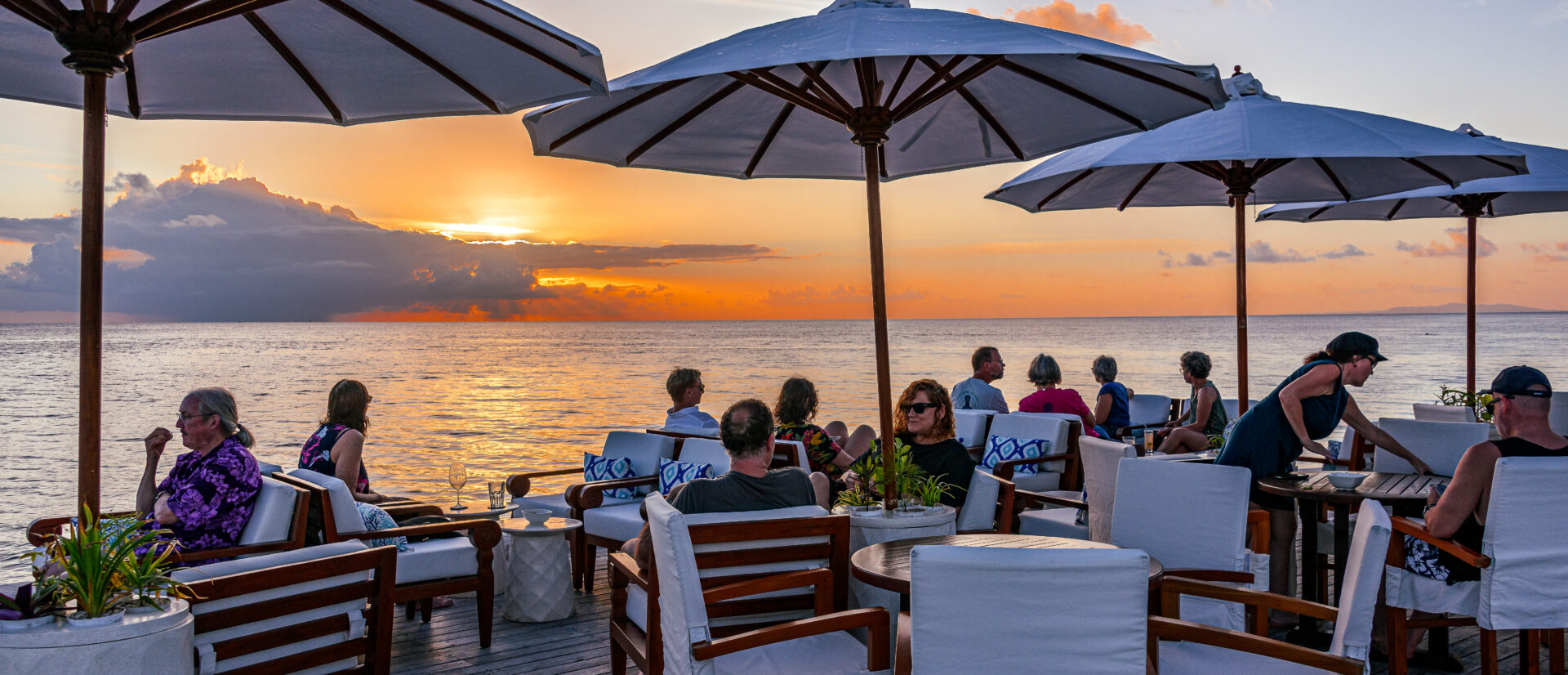
Over the course of the evening, she spoke of her travels around the world— many of them extended sailing voyages across entire oceans, from Australia to Brazil to Hawaii. She recounted them as though Jerry remained close, remarking in passing on what an exceptional sailor he was. Hers was not the perspective of an occasional traveler, but one shaped by a deep familiarity with the world’s most remote and remarkable places. “Jerry always said Wakatobi was a step above Nirvana,” she shared with a quiet smile.
“Jerry always said Wakatobi was a step above Nirvana.”
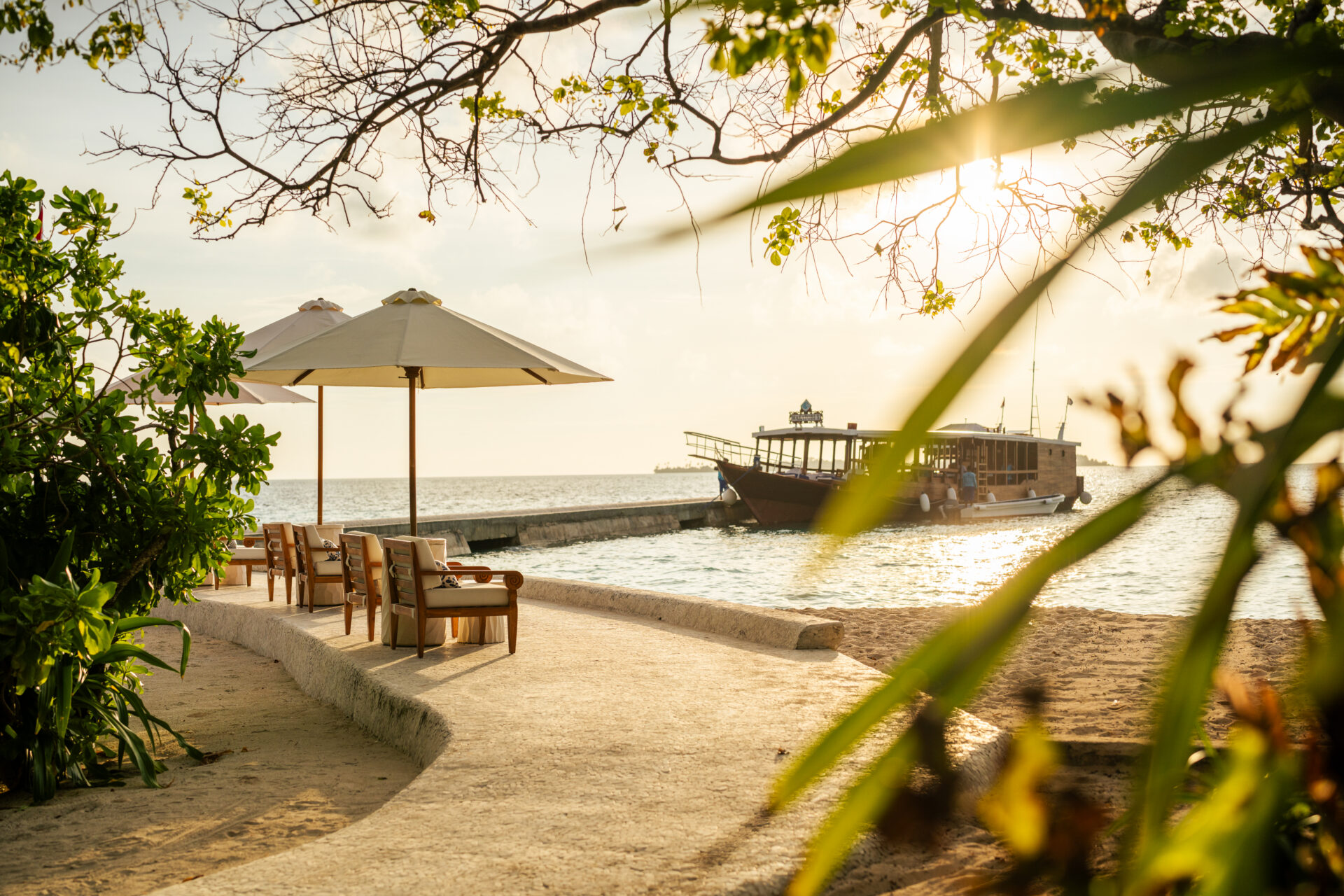
In the weeks following my return home, I reached out to Conceição to ask what Wakatobi’s 30-year anniversary meant to her.
Her response says it best:
“Wakatobi Resort is so much more than a five-star diving destination. It is a unique example of private enterprise and local community working together to protect one of the most biodiverse marine ecosystems in the world. I return year after year because the diving and service are unmatched. Wakatobi is run with Swiss precision and fueled by the care and dedication of its people.”
The Outcome of A Gamble
“I’ve invested my lifetime,” Lorenz says. “It’s been a gamble, whether win or lose.”
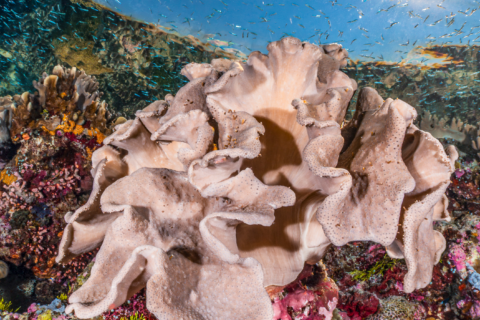
And yet, the evidence is already unmistakable— in reefs that have been given the chance to recover, in waters now teeming with life. It is reflected, too, in the communities that have grown alongside it, where livelihoods have shifted, opportunities have emerged, and a different future has taken hold.
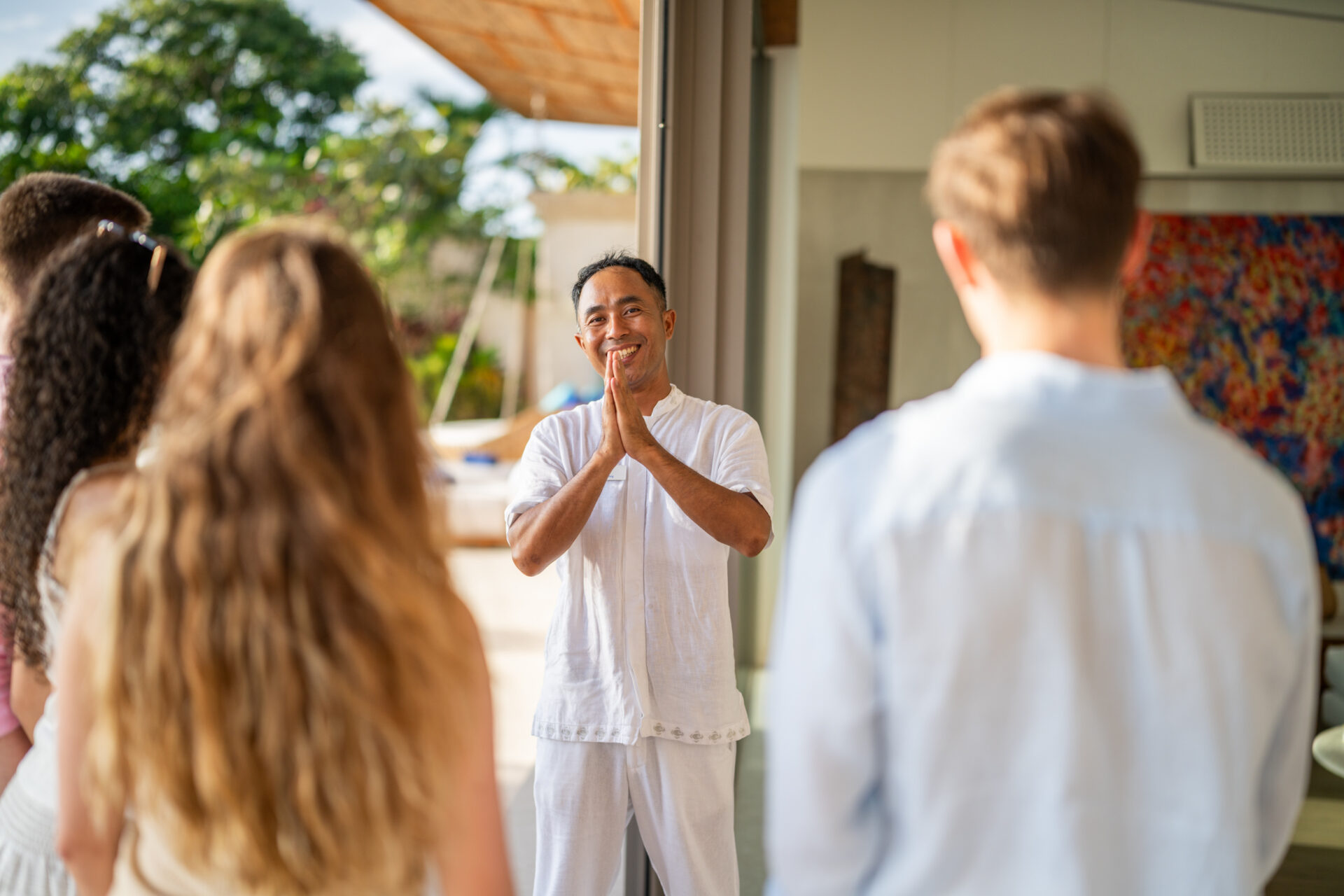
For some, Wakatobi is a destination. For others, it becomes something far more personal, woven into their lives over time. And for many, it is a place of work that has created opportunity, supporting livelihoods and strengthening the communities that surround it.
Beyond this, there is something less easily defined. It lives on in the experiences of those who come here and carry a part of it with them when they leave, returning not only for the diving, but for something far less tangible and yet lasting— something best understood as the spirit of Wakatobi.
This story is part of ongoing coverage celebrating Wakatobi’s 30-year anniversary.
CONTACT US.
To begin planning your stay, email office@wakatobi.com or or complete a quick trip enquiry.
Explore The Courtyard Residence at Wakatobi and follow us on Facebook and Instagram.